
Reading the Value Fields for a County Parcel
Start with Winnebago County's real-estate parcel search. The parcel card it returns is the backbone of any property value lookup, pairing the PIN with the owner of record, the mailing address, a brief property description. The card also lists the assessed value and the school district. Links from the card lead into related tax, land, and zoning details. That parcel-level context is what makes the number meaningful. State Department of Revenue materials show how Wisconsin communities report assessment levels and sales. They cannot replace the assessor's record for one lot. A recorded deed may fill in transfer history. Its details deserve a close read before you treat it as a clean price history.
| Value | What It Is | Where |
|---|---|---|
| Assessed value | The parcel's assessment figure in the county property record, tied to an assessment year | Ascent parcel search |
| Assessment level or ratio | A comparison of assessments with market evidence across a defined area; useful as context, not an individual appraisal | Wisconsin DOR aggregate ratios |
| Sale evidence | A recorded transfer or reported sale that may help show market context; verify the parties, date, and transaction details | Register of Deeds index and DOR sales reports |
| Tax amount | A separate bill calculation, not another name for the property's assessed value | County tax inquiry |
Assessed value and sale price answer different questions. The first exists for property-tax administration. The second records one transaction under its own conditions and dates. Wisconsin's level-of-assessment studies place reported assessed values beside market evidence. Aggregate-ratio studies do the same across municipalities and other reporting groups. An aggregate ratio covers one measurement period. It can show how a community's tax roll relates to sales during that period. It cannot pin down the market value of a single house. Note which year a statistic covers before using it to judge a current assessment.
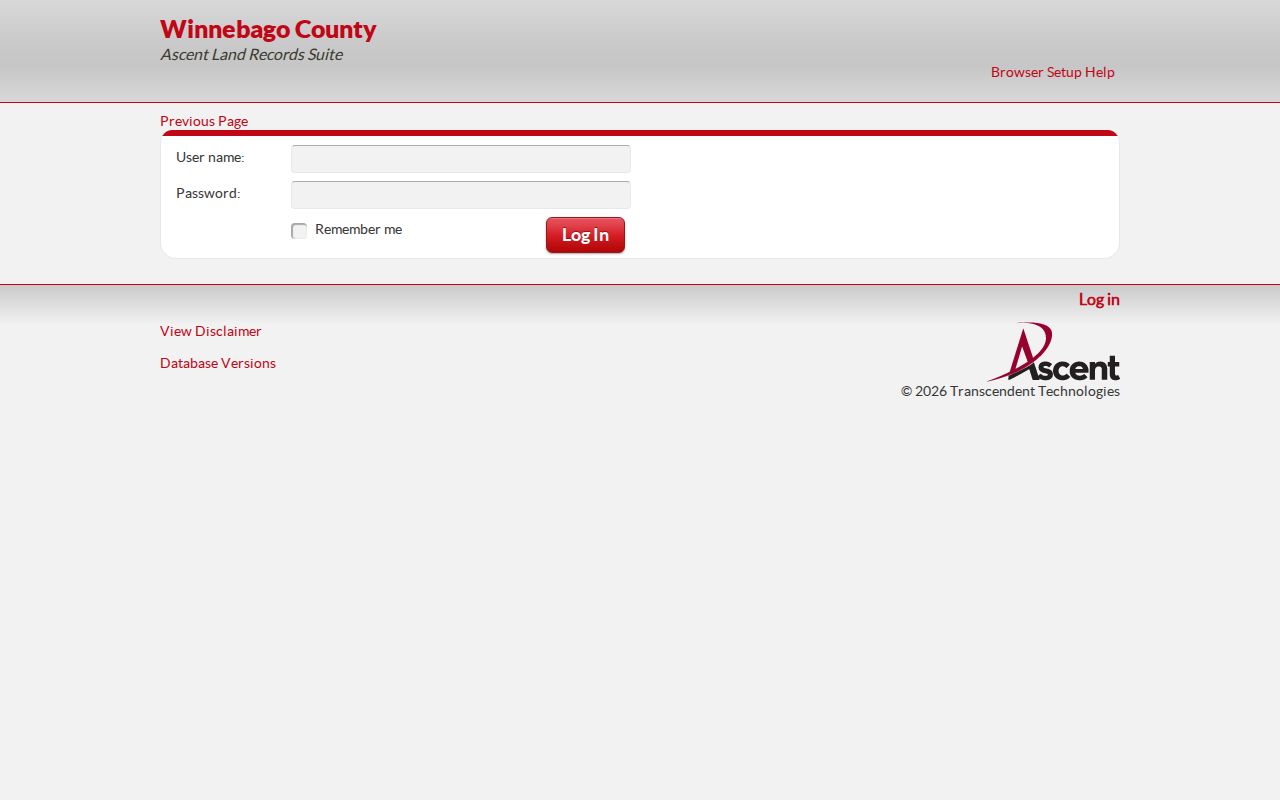
The county Ascent real-estate parcel search is the official online route for locating a parcel card and its recorded assessment fields.
Assessment Year, Revaluation, and Statewide Context
A value pulled from a county parcel card means little without its assessment year. Assessors maintain property records and values for local tax administration. Updates do not always track every change in a property's condition or the market on the day you search. A later improvement, correction, or assessment cycle can move the figure. Winnebago County publishes no countywide reassessment date or parcel-by-parcel revaluation schedule. So read the year attached to the individual assessment. When timing matters, ask the municipal assessor about the property's valuation record.
Wisconsin DOR publishes an owner guide and aggregate assessment-ratio reports. The 2026 property-owner guide walks through the assessment and review framework. The ratio tables set assessment rolls beside market evidence at a broader level. DOR's final report for 2025 sales was issued on March 24, 2026. Read its reporting period and definitions before comparing it with a Winnebago County parcel. These publications frame good questions for an assessor. They do not prove that a single assessed figure is right or wrong.
Thinking about an appeal? Keep the property's record, the assessment year, and solid comparable-sale evidence together. Then follow the notice and review instructions for your municipality. No single appeal deadline covers every municipality, so a generalized calendar date is a trap. The Wisconsin property-owner guide and aggregate-ratio reports are useful background. The local assessor and Board of Review handle the parcel-specific process.
Steps to Find a Winnebago County Property Value
Find the parcel by address first. Switch to its PIN once you have one. Street names, unit labels, and municipal addressing all vary across Winnebago County. The parcel key is the steadier bridge. It links an assessment, a tax account, and a map. The Ascent portal's search interface is dynamic. So enter the fields it requests and read the matching parcel card directly rather than trusting an old screenshot or an assumed field order.
- Open the county's Ascent real-estate tax parcel search and enter the address or PIN using the portal's available search choices.
- Confirm that the parcel description and location match the property; note the PIN before moving to another record.
- Read the assessed-value field with its record year and the parcel characteristics. Do not rename an assessment “market value” unless the displayed record identifies it that way.
- For tax amounts, open the separate tax inquiry by PIN. For transfer history, search the Register of Deeds index by party name or parcel references where available and inspect the instrument.
- Use DOR ratio and sales materials only as area-level context. If the value is under review, obtain the municipality's current assessment and Board of Review instructions.
- Assessed value
- The figure recorded by the assessor for the property and assessment year. It is used in tax administration but is not itself the final bill amount.
- Market value
- An estimate of what a property might sell for under defined market conditions. A tax assessment may be intended to reflect market evidence, but it is not a sale offer or guarantee.
- Appraised value
- An opinion prepared by a qualified appraiser for a stated purpose and effective date. It may use an inspection and methods that differ from mass assessment.
- Level of assessment
- A ratio comparing assessed values with market indications for a defined set of property or sales. An aggregate figure is context for a community, not a parcel-specific appraisal.
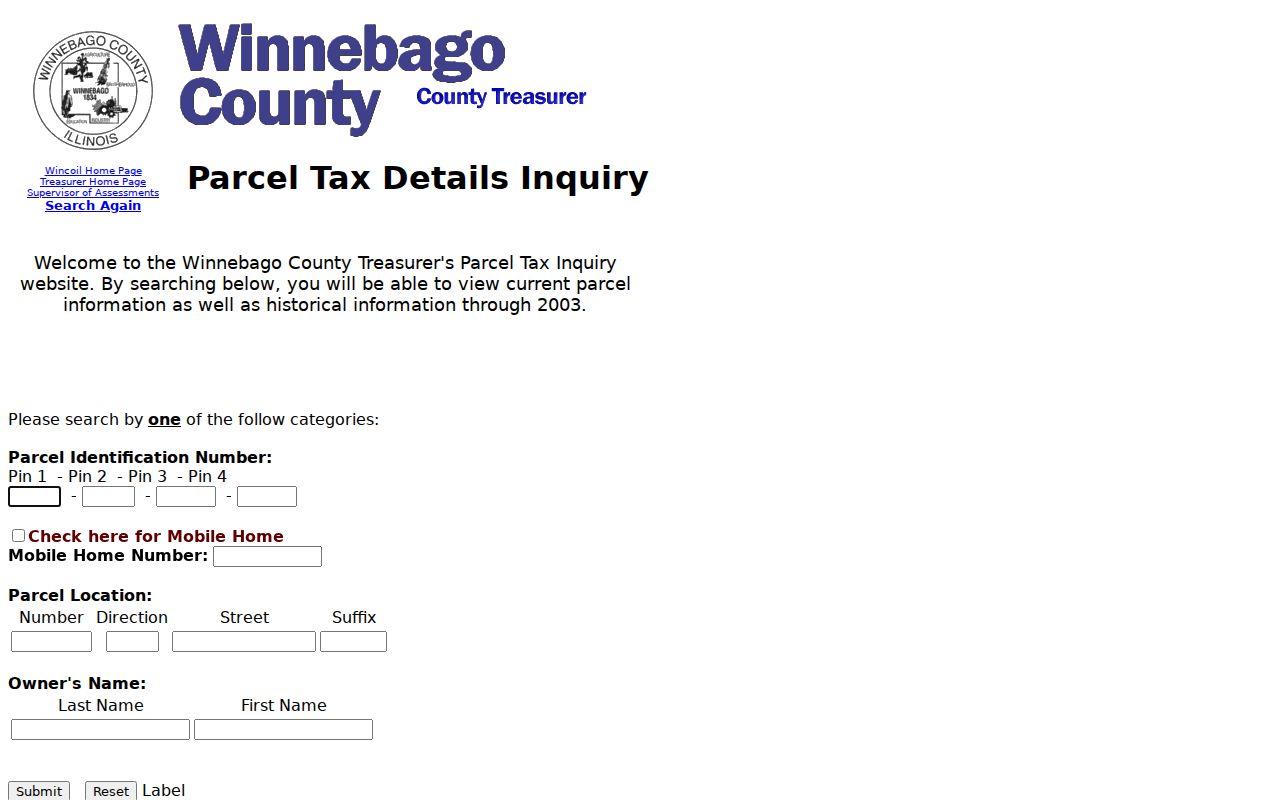
The separate Winnebago County tax inquiry lets a user search by parcel number, parcel location, or owner and review the linked tax-account information.
Comparing Assessment Records with Sale History
Before comparing numbers, gather the right records by date and source. The Register of Deeds keeps the recorded land instruments, and its online index with images generally reaches back to about 1984. Open the indexed document and read it. An instrument can prove a conveyance and its legal description, yet it may not be a tidy home-sale record with the price isolated for easy comparison. That caution matters most where several parcels, a family transfer, or a non-sale conveyance could be in play.
State sales reports and aggregate ratios describe broader market conditions, while the county's Ascent parcel card confirms which parcel and assessed figure you are evaluating. A fair comparison asks three things. Was the sale for similar property? Did it fall near the assessment period? Does the reported price reflect a conventional transaction rather than an unusual one? Differences in lot size, improvements, condition, water access, or legal interests can make two nearby records poor comparables, so a street-level cluster alone is not proof of equal value.
Keep a simple research note listing the parcel number, address, assessment year, source, and document date. That small trail makes it easier to discuss a discrepancy with a municipal assessor or to explain why a recorded sale matters. Note: if a lender, buyer, or owner needs a formal current opinion, a licensed appraiser can evaluate the property for that purpose and date.
What an Assessment Can and Cannot Tell You
An assessment figure in Winnebago County property records serves one purpose. It supports the tax roll for a given year. That makes it handy for checking a property account. It also works for comparing entries on the recorded roll. You can draft questions before an assessment appeal with it too. It does not tell you what a buyer will pay. It cannot confirm a building's current condition, and no lender treats it as collateral value. Assessments also lag the market, sometimes by a full cycle. The valuation models behind a summary card stay hidden. So a parcel number can carry figures you cannot fully trace.
Value vs. price. The assessor's figure is not a promise of what a Winnebago County property will sell for and is not a lender-ready appraisal. For a sale, financing, or another decision that requires a current opinion, ask a qualified licensed appraiser to evaluate the property for that use.